Image - 2026-11-07 11:30
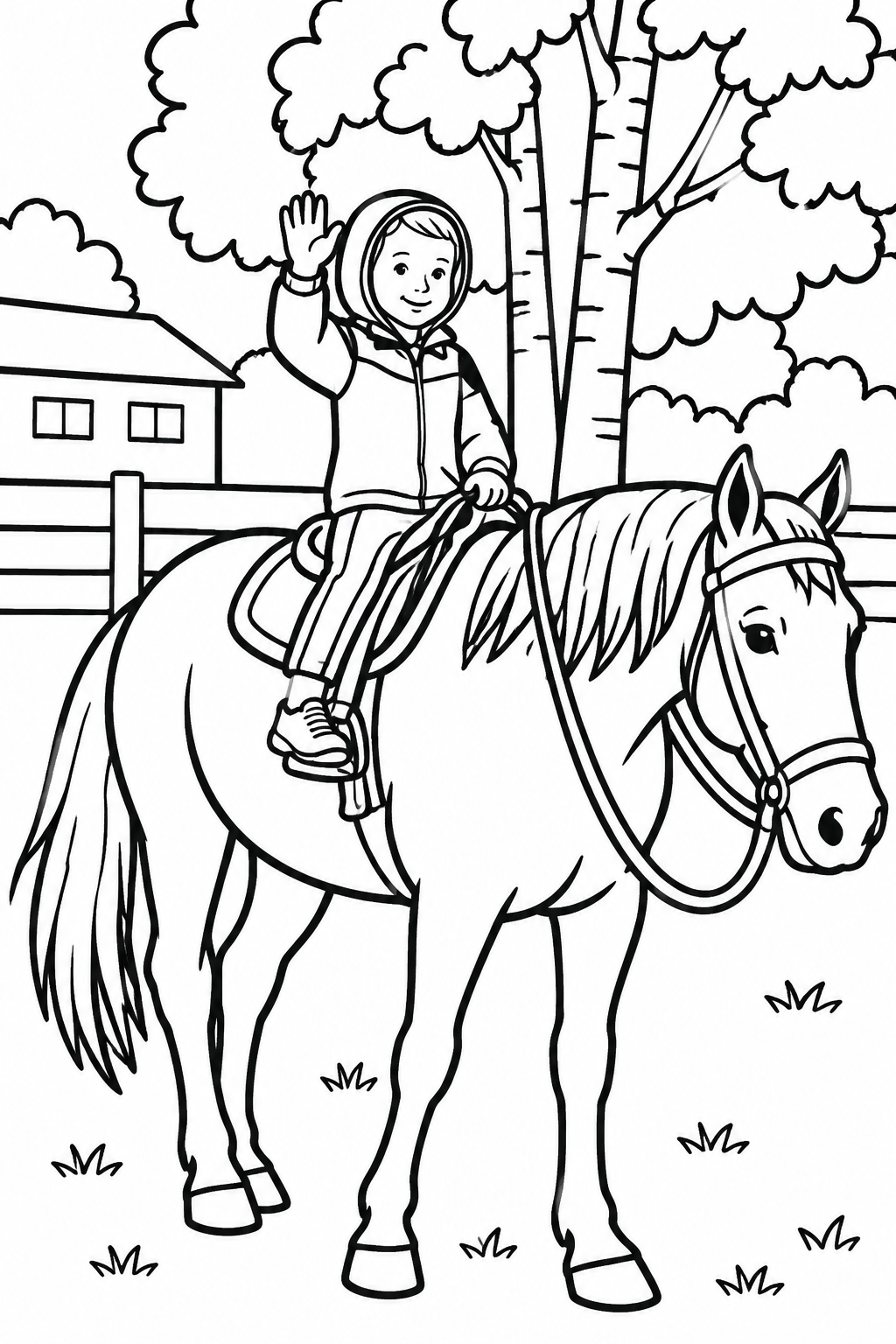
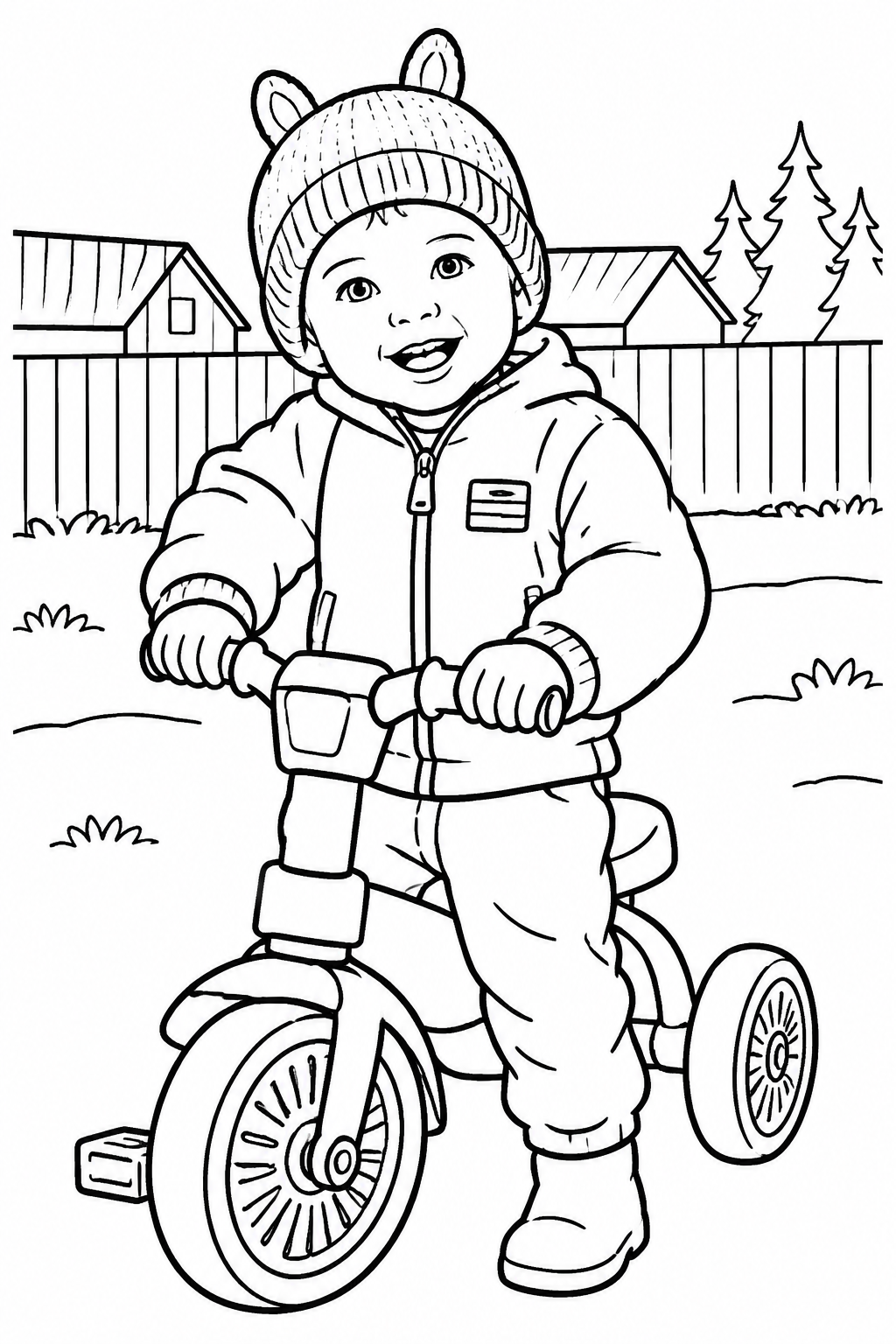
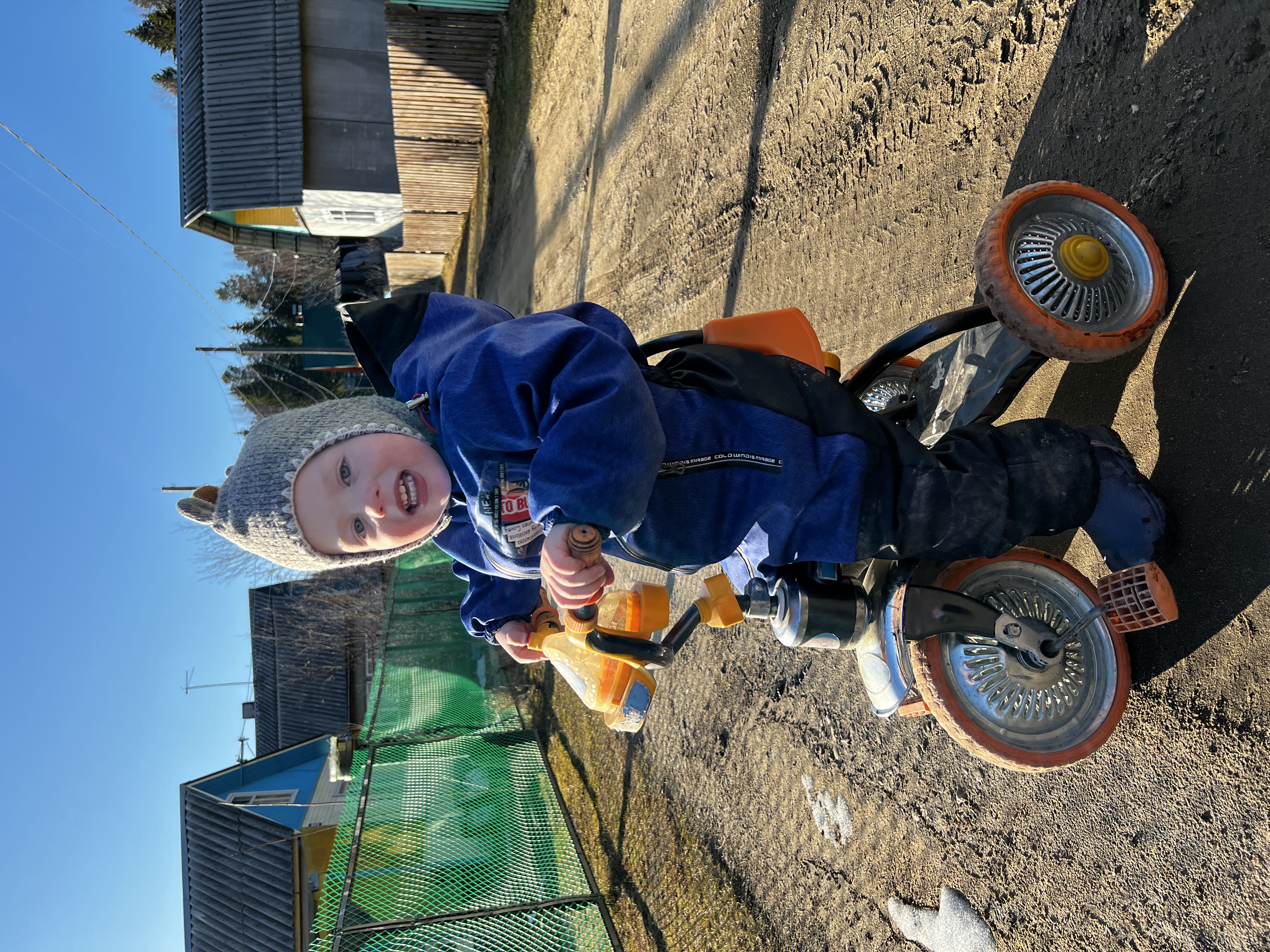
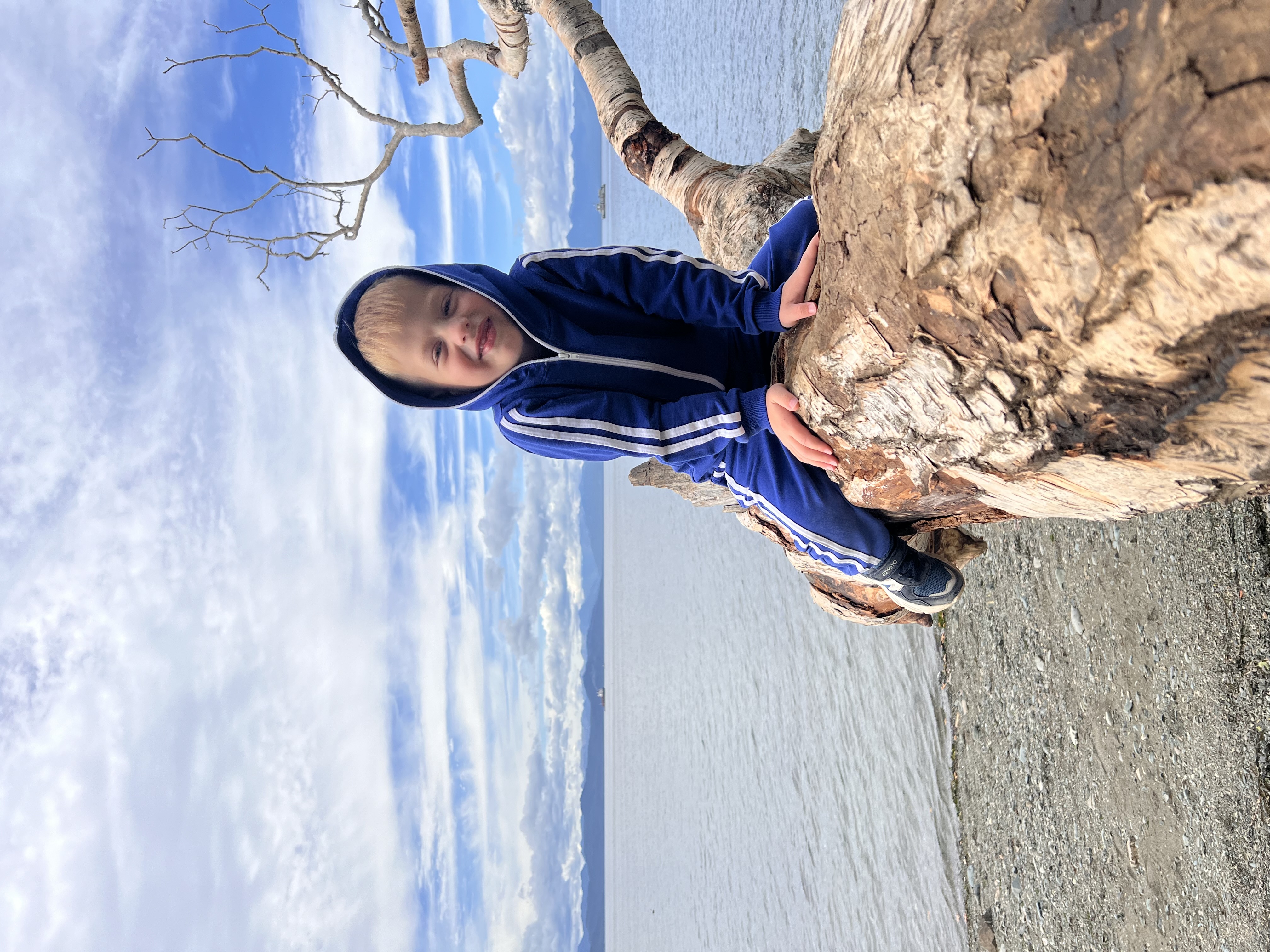
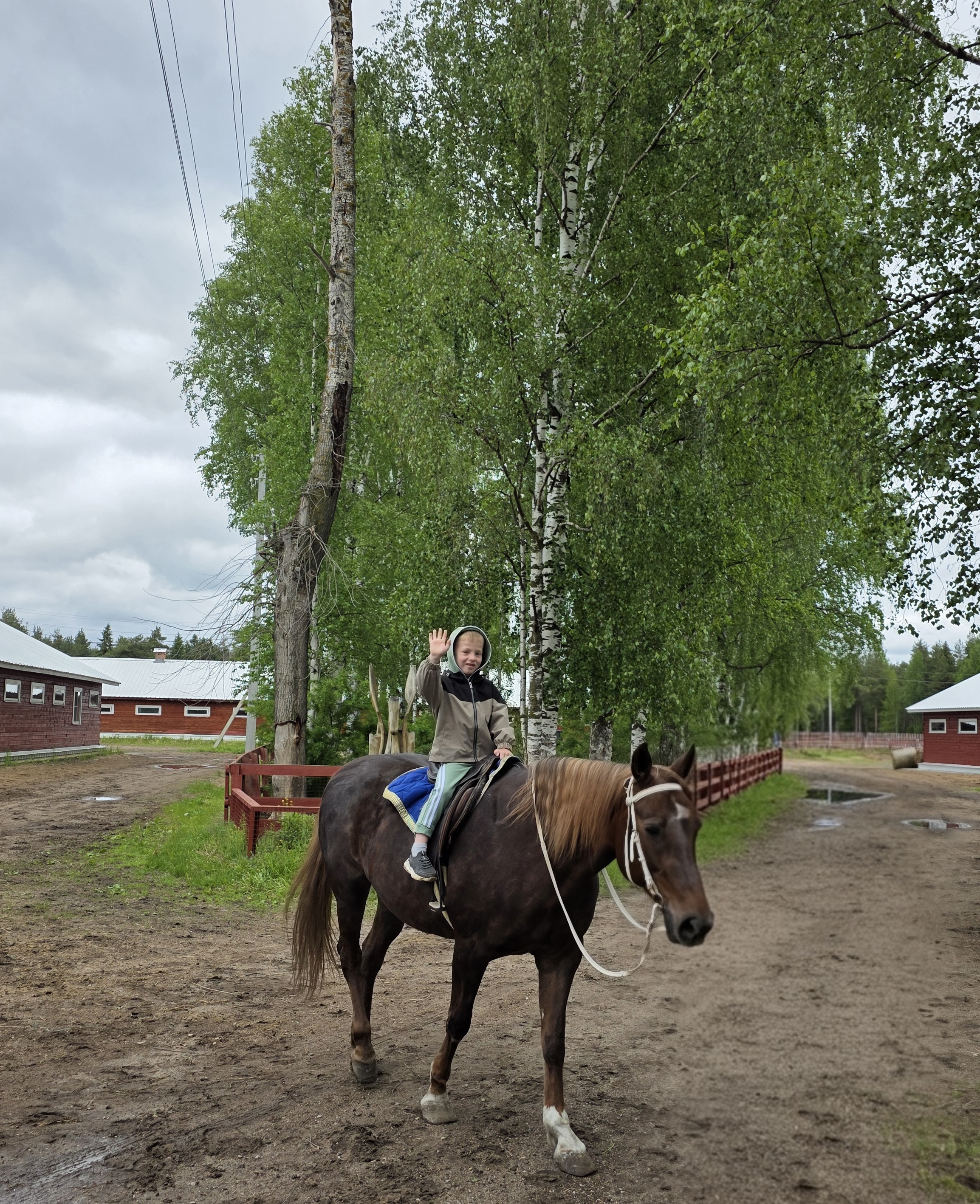
Use the uploaded photograph as your primary reference to create a high-quality, black-and-white coloring page for children, suitable for printing. 1. Preserving the Original Capture the main character(s) from the photograph as accurately as possible—including their recognizable appearance, facial structure, hairstyle, clothing, pose, and key defining features. If the photo contains multiple people or animals, include all of them and maintain their relative positioning. Do not replace the characters with others or invent new physical traits. 2. Coloring Page Style Create a clean, black-and-white line-art illustration in the style of a professional children’s coloring book. Use clear, smooth, and confident black outlines. Ensure the lines are thick enough to be clearly visible when printed on a standard home printer. Use simple, rounded shapes that are visually appealing to children. Include large, enclosed areas that are easy for a child to fill in with crayons or markers. Maintain a moderate level of detail: keep the subjects recognizable while simplifying complex elements. Ensure that faces, hair, clothing, and other essential features are clearly defined and neatly outlined. 3. Complexity Level The coloring page is intended for children aged approximately 3–7 years. Avoid adding excessive fine detail, complex patterns, intricate hatching, dense line work, or tiny areas to color. Simplify small details found in clothing, accessories, hair, and the background. Facial features—such as eyes, nose, and mouth—should be clear and expressive. If the original photograph has a complex background, simplify it significantly or replace it with a few large elements that complement the scene without distracting from the main character(s). 4. Formatting Requirements Use only black outlines on a clean, white background. No shades of gray, gradients, shadows, halftones, or colored areas. Do not fill large areas with solid black, except for essential details like pupils. All areas intended for coloring should remain predominantly white. Ensure outlines are closed wherever necessary to make coloring easier. Do not crop out heads, arms, legs, ears, or other key parts of the characters. Avoid overlapping, stray, or broken lines. Do not add unnecessary text, captions, borders, watermarks, logos, or decorative elements. 5. Composition and Format Place the character harmoniously in the center of the page, leaving ample white space around the image. Maintain natural proportions and a clear, recognizable silhouette. Use a vertical A4 page format, suitable for printing. The illustration should be sharp, high-contrast, and resemble a page from a high-quality children’s coloring book. In summary: create an attractive, neat, and simple coloring page for children that remains recognizable based on the original photograph, featuring large areas to color. The priorities are likeness to the source photo, clean outlines, and ease of use for a child. Do not turn the image into a complex coloring page intended for adults.

Бесплатный старт · Генерация видео и картинок с ИИ за секунды
More from this creator

More GPT Image 2 images
См. все →